What is Translanguaging?
When we view translanguaging through a literacy lens, we are conscious of the fact that bilingual or multilingual students expressively pull from their native language and social resources to create meaning. Translanguaging at its core is all about the construction of meaning and embracing the use of multiple languages to do so. Translanguaging involves allowing students to draw upon their full linguistic repertoire—speaking, reading, writing, singing, or thinking in multiple languages. It’s about recognizing that bilingual or multilingual students don’t need to keep their languages separate. Instead, they can switch between languages as needed to help make sense of what they’re learning and express themselves more clearly. This approach helps connect what they already know with what they’re learning and supports their overall growth in both languages.
Designing Instruction with Translanguaging in Mind
The first step to designing instruction with translanguaging in mind is to create a classroom environment with these key qualities; kindness and trust, inclusivity, respect for all cultural backgrounds, open communication, flexibility, supportive collaboration and adaptability. When operating a classroom with translanguaging as a fundamental component we must create and design lessons and learning experiences that actively encourage students to use all their linguistic resources, including their home language, to better understand new content.
Classroom Activity
Objective: Students will create a concept map on a specific topic, in this case let’s say “The Water Cycle,” using both their home language and English to connect ideas and demonstrate understanding.
For this activity, students will individually, or in small groups (according to common languages) brainstorm key concepts and vocabulary related to the topic. They will be encouraged to write, speak or even use hand gestures in any language they feel comfortable with.
Once they have generated enough information they will organize their ideas into a visual concept map, where they draw connections between English words and terms from their home languages. The teacher may provide a list of terms and visuals on the topic to help the students along. In this case, for the map, they could write the English term “precipitation” in the center and branch out with key concepts in their preferred language. The maps can be made using paper, digital tools or any medium the students find more helpful and meaningful.
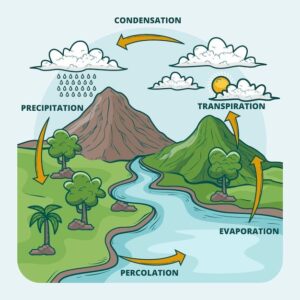
Once the students complete their maps there can be a class discussion or small group discussions where the students will be explaining their processes and ideas. These conversations will be another chance for the students to translanguage, switching between English and their preferred language.
This activity is an example of translanguaging in practice because it allows students to use all their linguistic resources to connect new knowledge with what they already know. It will encourage the use of both languages fluidly, reinforcing the idea that both languages are valuable tools for learning. It will also help make the academic content more accessible because it empowers the students to make connections between the English terms and concepts with ones of their own.

