What is Intersectionality?
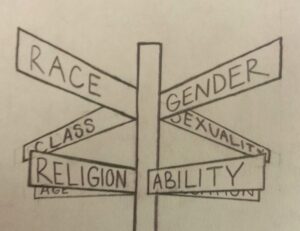
Intersectionality is a concept that describes how different aspects of a person’s identity– such as race, gender, class, sexuality, ability, religion and other social categories—interact and intersect to shape their unique experiences of privilege and oppression. In simple terms, it’s all about understanding how the characteristics of a person regarding their identity reflect how they will experience life and the opportunities they will be given based on those characteristics.
Why Create Inclusive Lessons?
Teachers must be aware of the concept intersectionality in order to create an inclusive environment in their classroom, as well as to create lessons that will also provide inclusivity for all their students. Why this is essential is the most important question. Students come from varied backgrounds and have different lived experiences based on their intersecting identities. Making sure each and every community, language, experience, socioeconomic status, culture and more is represented in the content being taught, is key. The teacher’s job is to highlight these intersections in their everyday teaching practices and ensure that their students are learning and appreciating the complexity of others’ lives. By doing so, we will foster empathy and understanding within the classroom and challenge stereotypical views and biases. The goal is to validate every student and guarantee that they see themselves reflected in the content they are learning. An intersectional approach ensures that the experiences of all students are represented, which is essential for creating an inclusive and supportive learning environment
How to Account for Multiple Identities in the Classroom?
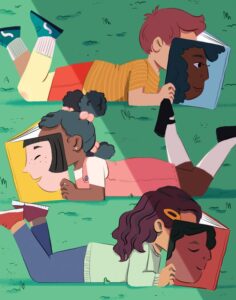
A simple way a teacher may account for the multiple identities in their classroom is by providing a diverse classroom library. I believe that books are a powerful way for students to both connect with other identities and their own. Last semester I learned just how important children’s literature is and how impactful it can be in the classroom. I’ll never forget the metaphor we discussed; Children’s books are like mirrors, windows and sliding glass doors. A book can be a mirror, where a student sees their own life reflected in the pages. A book can be a window, where a student is able to view the lives and stories that are different from their own. A book can be a sliding glass door, where a student can become transported into the world of the story and feel empathy for the characters’ experiences. Curating a classroom library that has equal representation of all students and their diversities can be a way for the teacher to account for the multiple identities in their classroom.